
Fertile Soils
“The Olive, the wealthy tree of the poor soils.”
Anatolia is one of the richest geographies of the world in terms of biological diversity with an endemism rate of 31.8%.
Turkey – Anatolia is the genetic center of many endemic-basic food materials such as wheat, barley which are significant in nutrition of the world’s population, it also has fertile soils where the olive was first accepted to mainstream culture and therefore it has the responsibility to ensure its protection against extinction.
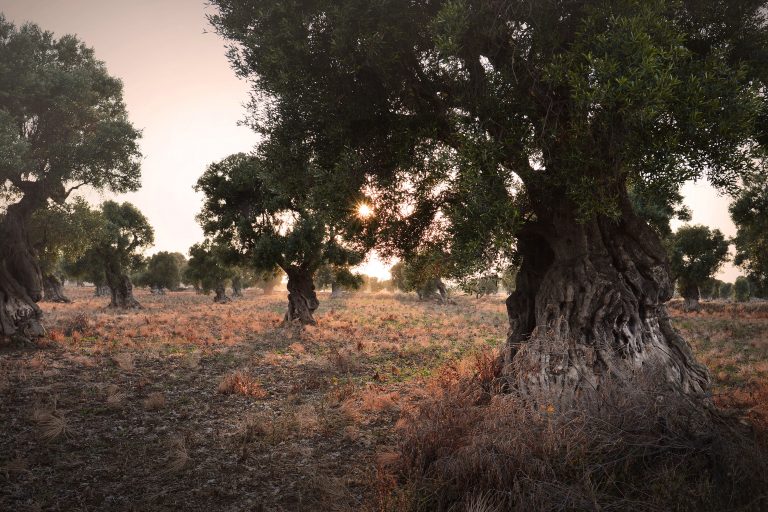
The Olive has the capability to develop in odd corners and on relatively unproductive soils, therefore it is mostly grown in inconvenient areas like the boundaries of agricultural regions and its cultivation is based upon climate above all. The plant has the capacity to maintain its vitality for centuries, which ensured the continuation of old olive cultivation techniques which were rarely renewed properly in time. In relation to soil conditions, the olive tree is in compliance with different soil types except for especially high clay soils since its roots are very sensitive against excessive humidity.
On the other hand, rich, neutral or slightly alkaline soils are ideal in terms of organic material.